Retirement marks a transition from saving to spending (and protecting) your hard-earned wealth in some type of a spending plan is a good way to ensure you will have what you need for your future. The goal would be to generate reliable income, preserve capital, counter inflation, and minimize taxes so your nest egg lasts. Here are some suggestions to help. To begin, creating a retirement spending plan is the first step.
Goals of a Retirement Spending Plan
- Define a glide path. Will it include stocks and/or bonds? Customize strategy to your needs.
- Build income pillars. Use CDs, Treasurys, annuities, and dividend stocks to secure a larger portion of your savings.
- Allocate a portion (20-30% recommended) to inflation hedges. These items would include more risk but also a higher return.
- Organize funds into tax buckets.
- Plan withdrawals for Sustainable Income.
- Review your plan yearly and adjust for life changes.
Retirement isn’t just about stopping work—it’s about creating a life you love without worrying about money. But here’s the truth: managing your nest egg can feel overwhelming. Stocks, bonds, taxes, inflation—it’s a lot! The good news? With a clear plan, you can turn confusion into confidence. Let’s break this down into practical steps, with real-life examples and tips you can use today.
1. Create a “Glide Path” for Your Asset Allocation
Think of a glide path as your financial autopilot. It gradually shifts your mix of stocks, bonds, and cash as you age, reducing market risk. For example: At 55, you might have 60% in stocks and 35% in bonds. By 70, that could shift to 40% stocks and 55% bonds—giving you more stability when you’re living off your savings.
| Age | Stocks | Bonds | Alternatives |
|---|---|---|---|
| 50–60 | 60% | 35% | 5% |
| 60–70 | 50% | 45% | 5% |
| 70+ | 40% | 55% | 5% |
What does this mean for you?
If you don’t want to manage this yourself, target-date funds (like Vanguard’s) do it automatically. Prefer DIY? Use the table above as a guide. A glide path helps gradually shift your mix of stocks, bonds, and cash as you age, reducing exposure to market risk. Omnicon Online as well as MFS Investments Management offer additional information and help.
2. Diversify Your Income Sources
Retirement is about turning savings into income. Here’s are some examples:
- Jane keeps $50K in a high-yield savings account earning 5% for emergencies.
- Bob ladders CDs so something matures every year.
- Mary buys TIPS to protect against inflation.
- Susan purchased a $200K annuity that guarantees $1,000/month for life.
- David owns dividend-paying stocks and a REIT for extra cash flow.
What does this mean for you?
Mix and match these options to create a steady income stream that fits your lifestyle.
3. Guard Your Purchasing Power
Inflation is sneaky. A $100 grocery bill today could be $150 in 15 years.
For example, if you retire at 65 and live to 90, even 3% inflation can cut your buying power in half. If you add inflation fighters like TIPS, real estate, commodities, and dividend stocks to your portfolio.
4. Organize Funds into Tax Buckets. Make Taxes Work for You
Taxes can drain your income. Smart planning helps. Here is an example:
- John uses a Traditional IRA for tax-deferred growth.
- His wife has a Roth IRA for tax-free withdrawals.
- They both fund an HSA for medical costs.
Other tactics to be used:
- Roth conversions during low-income years.
- Qualified charitable distributions from IRAs.
- Timing Social Security to avoid IRMAA surcharges.
What does this mean for you?
Think in “tax buckets”: tax-deferred, tax-free, and taxable accounts. Use them strategically. Vanguard and SeniorSite offer great advice to help with your decision-making.
5. Plan Withdrawals for Sustainable Income
Here’s where the 4% Rule comes in: Withdraw 4% of your portfolio in the first year of retirement, then adjust for inflation each year. For Example: If you retire with $1,000,000, you’d take $40,000 in year one. If inflation is 3%, next year you’d withdraw $41,200. The 4% rule is a starting point—not a guarantee. Adjust based on market conditions and your needs.
6. Review Your Retirement Spending Plan Yearly and adjust for Life Changes
- Review and rebalance annually—like checking your car’s alignment.
- Review taxes every year—Roth conversions and RMDs can save thousands.
- Health costs? HSAs offer triple tax benefits.
Retirement planning isn’t “set it and forget it.” A yearly check-in keeps you on track. New technology can help or a certified financial advisor, and/or tax accountant.
The Retirement Spending Plan mentioned above is an example to start you thinking about your future. With a Good Spending Plan in place, you can enjoy retirement without worrying about running out of funds. Start today. Your future self will thank you.
When Retiring Consider Spruce Point Patio Homes for an Active Living Lifestyle
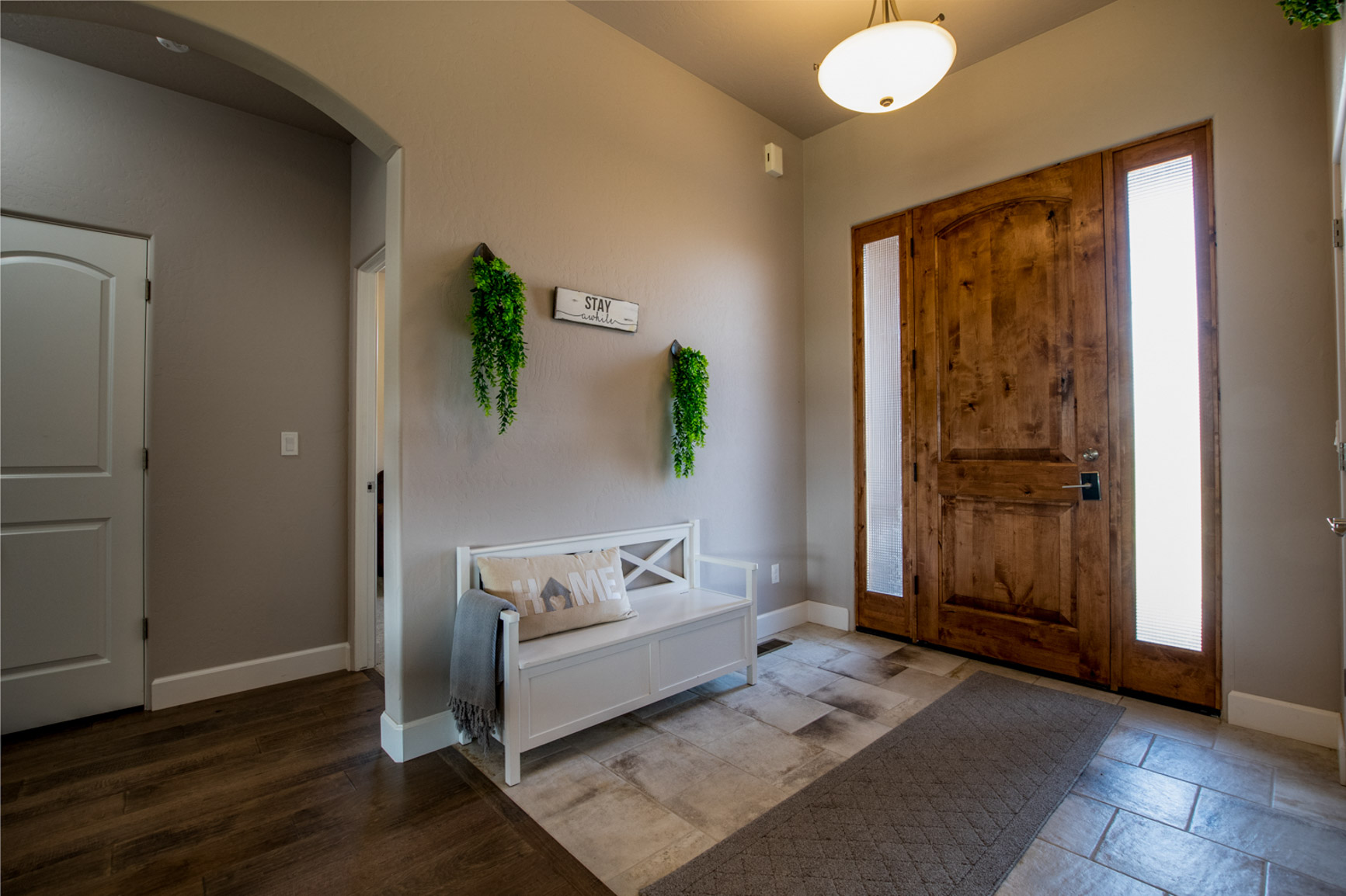
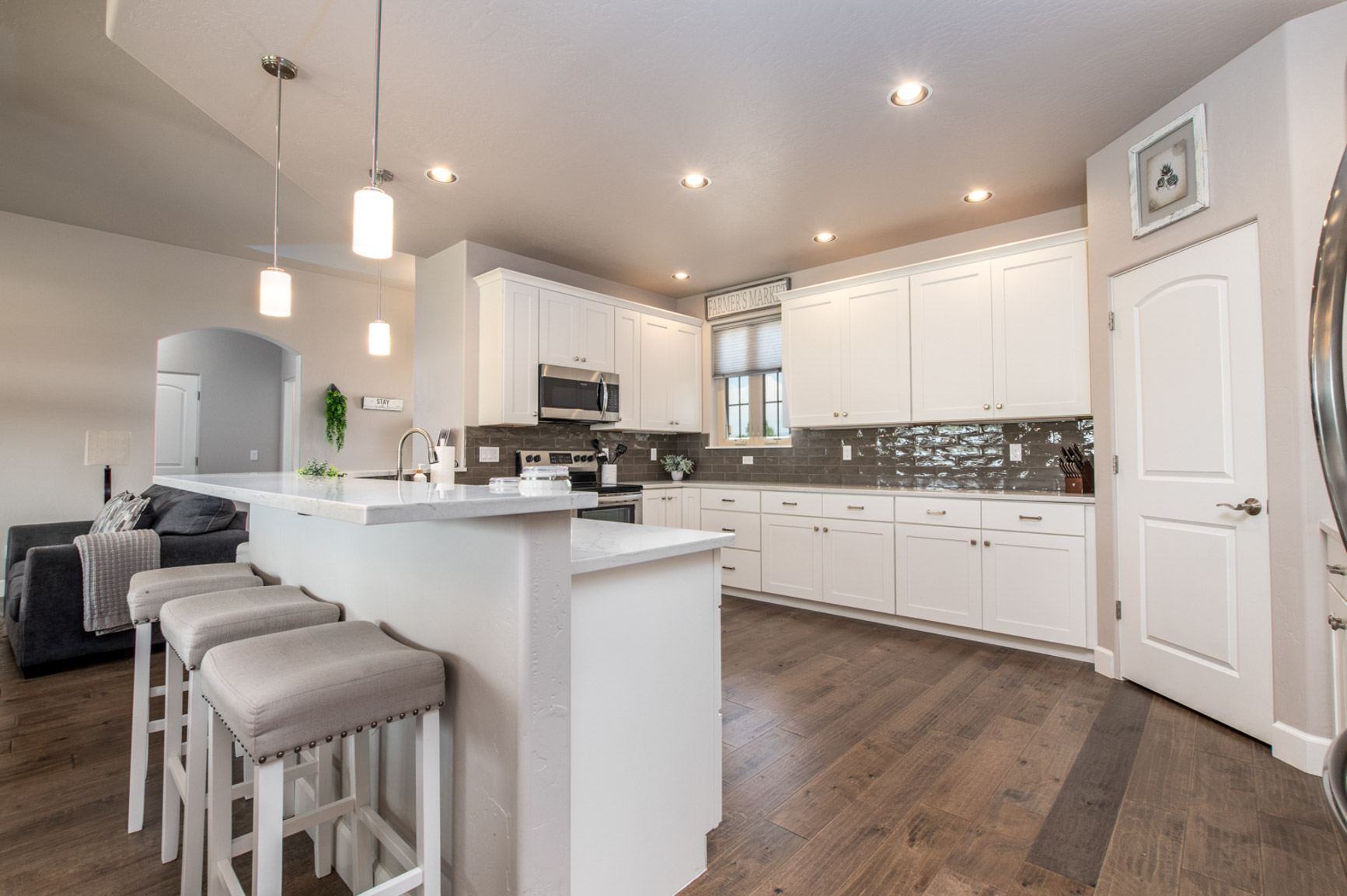
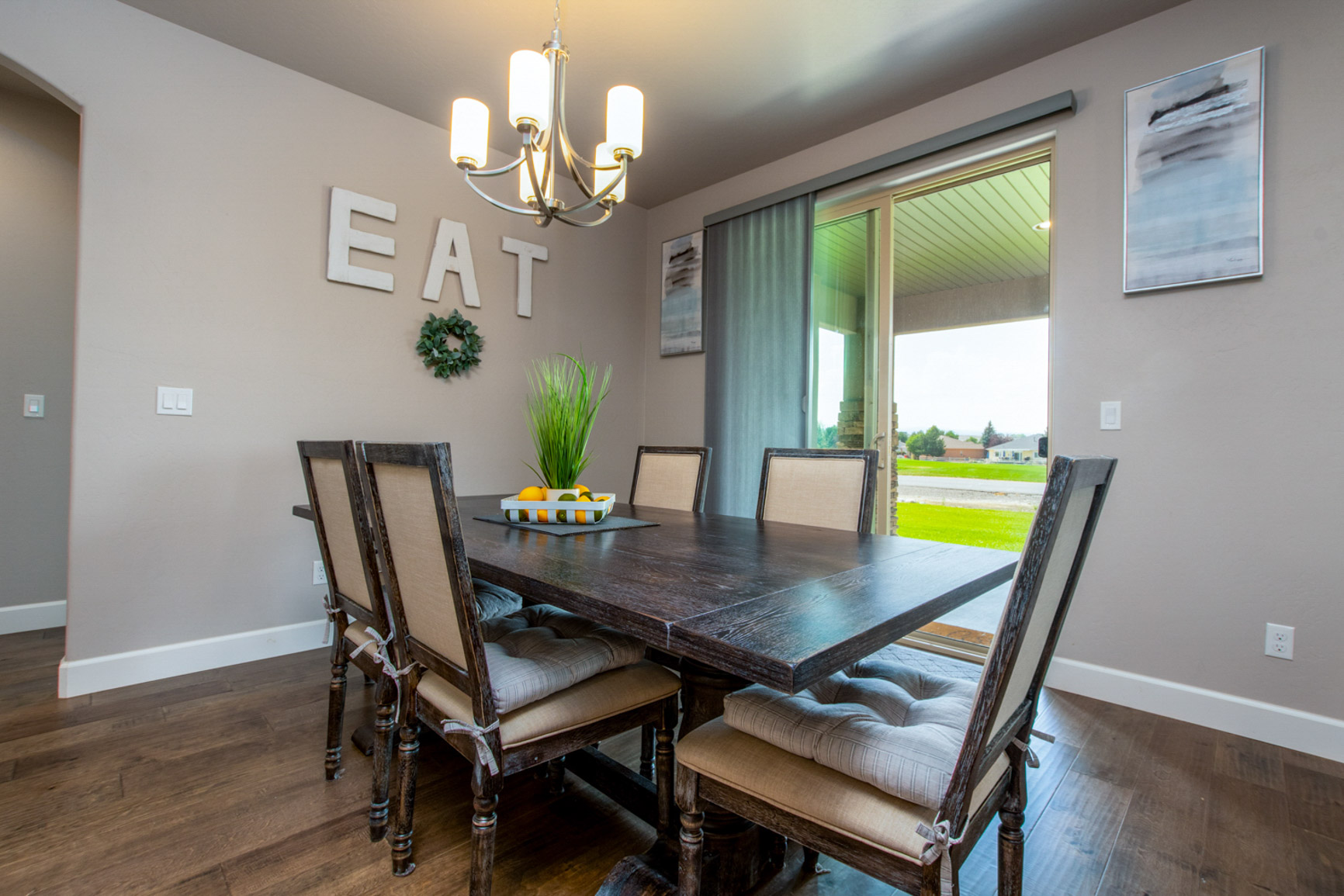
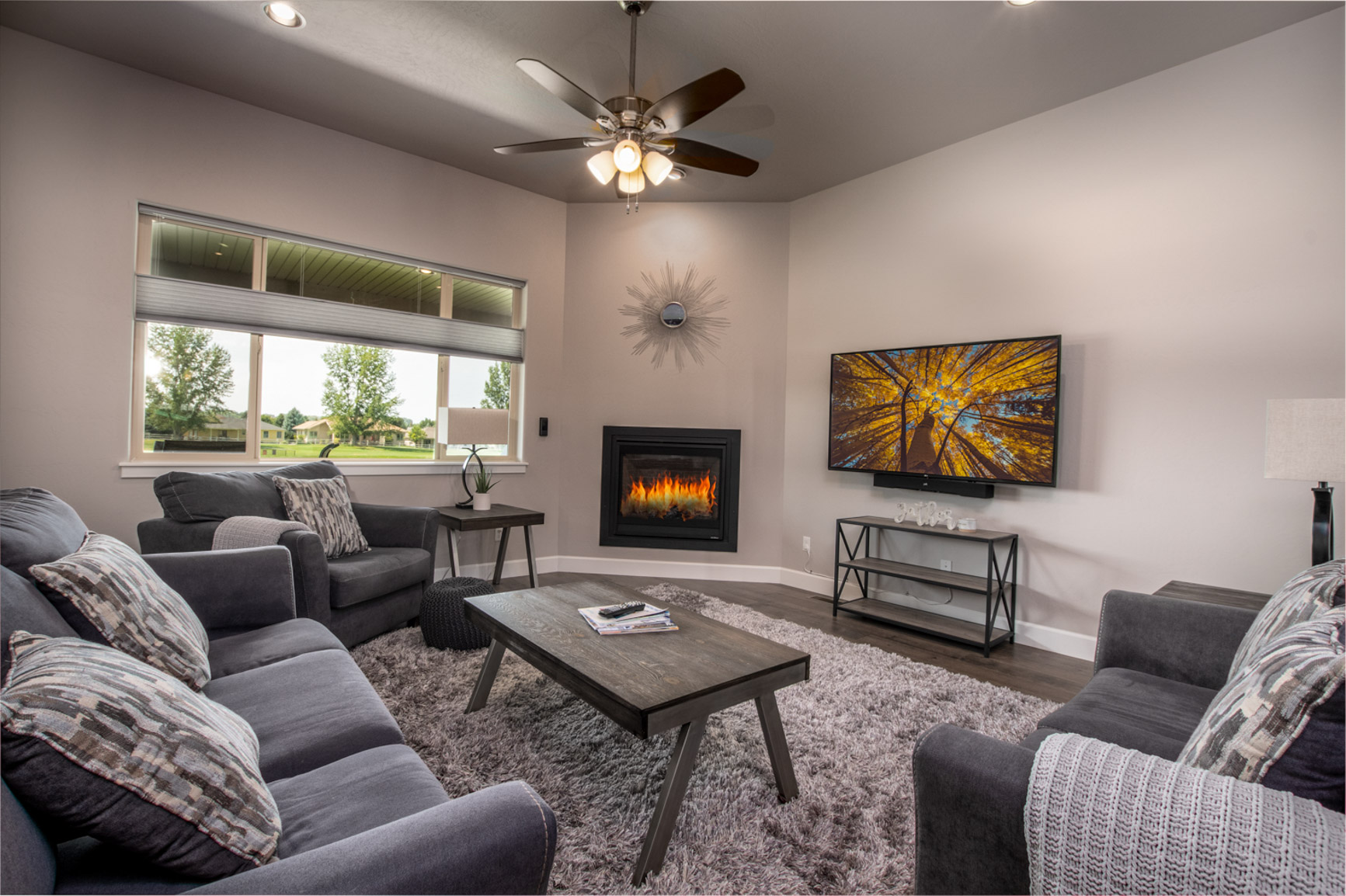
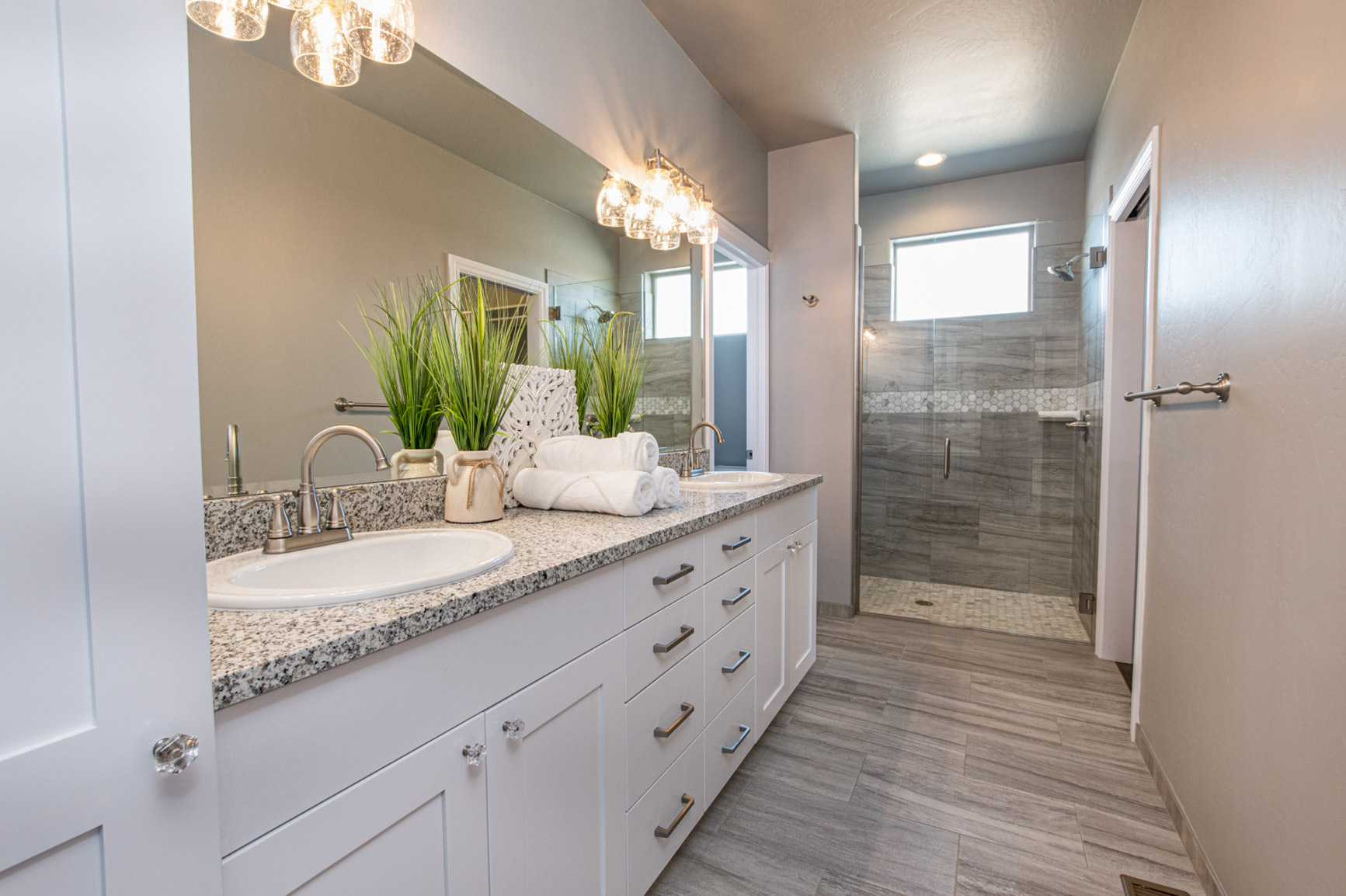
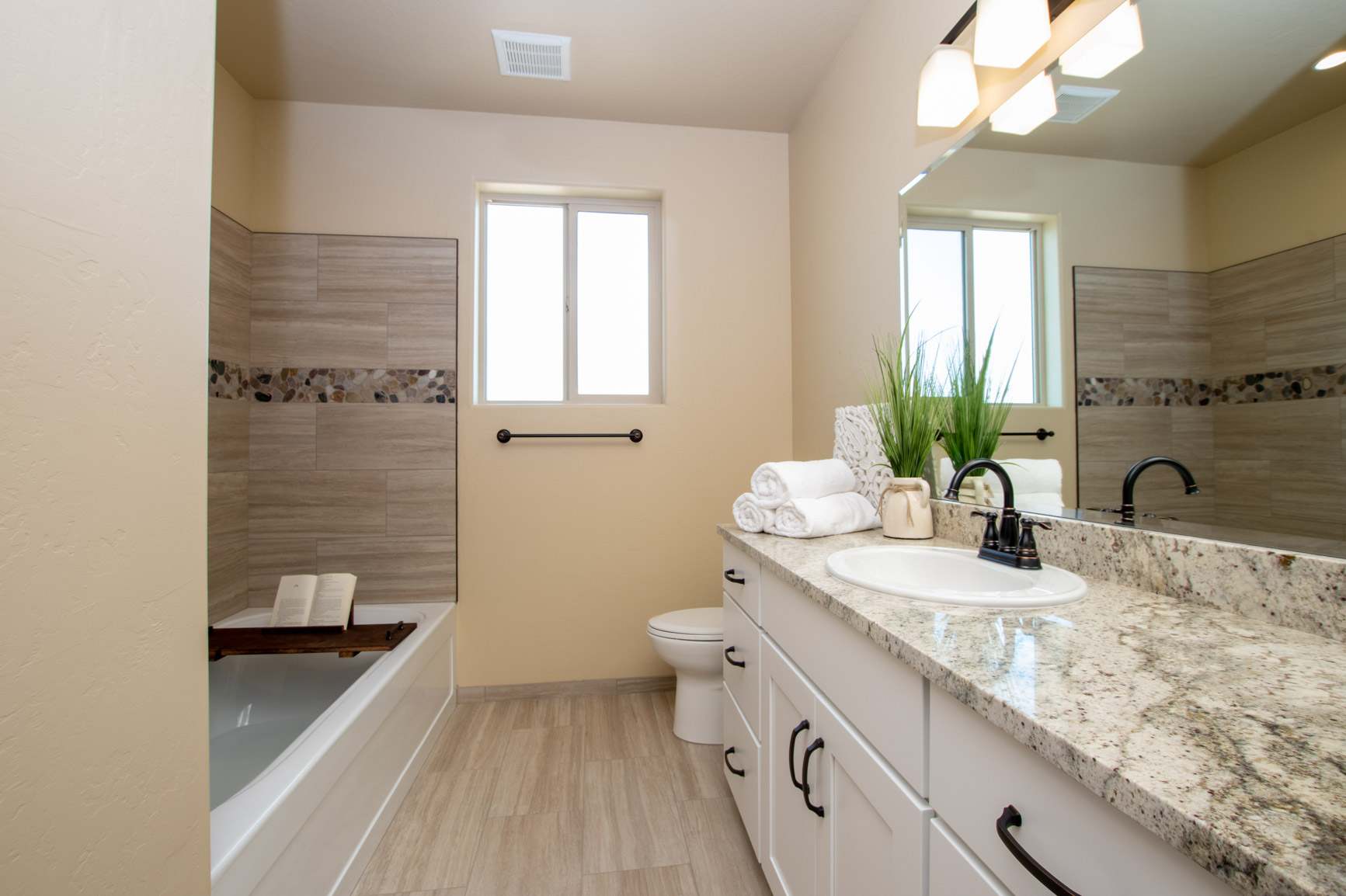
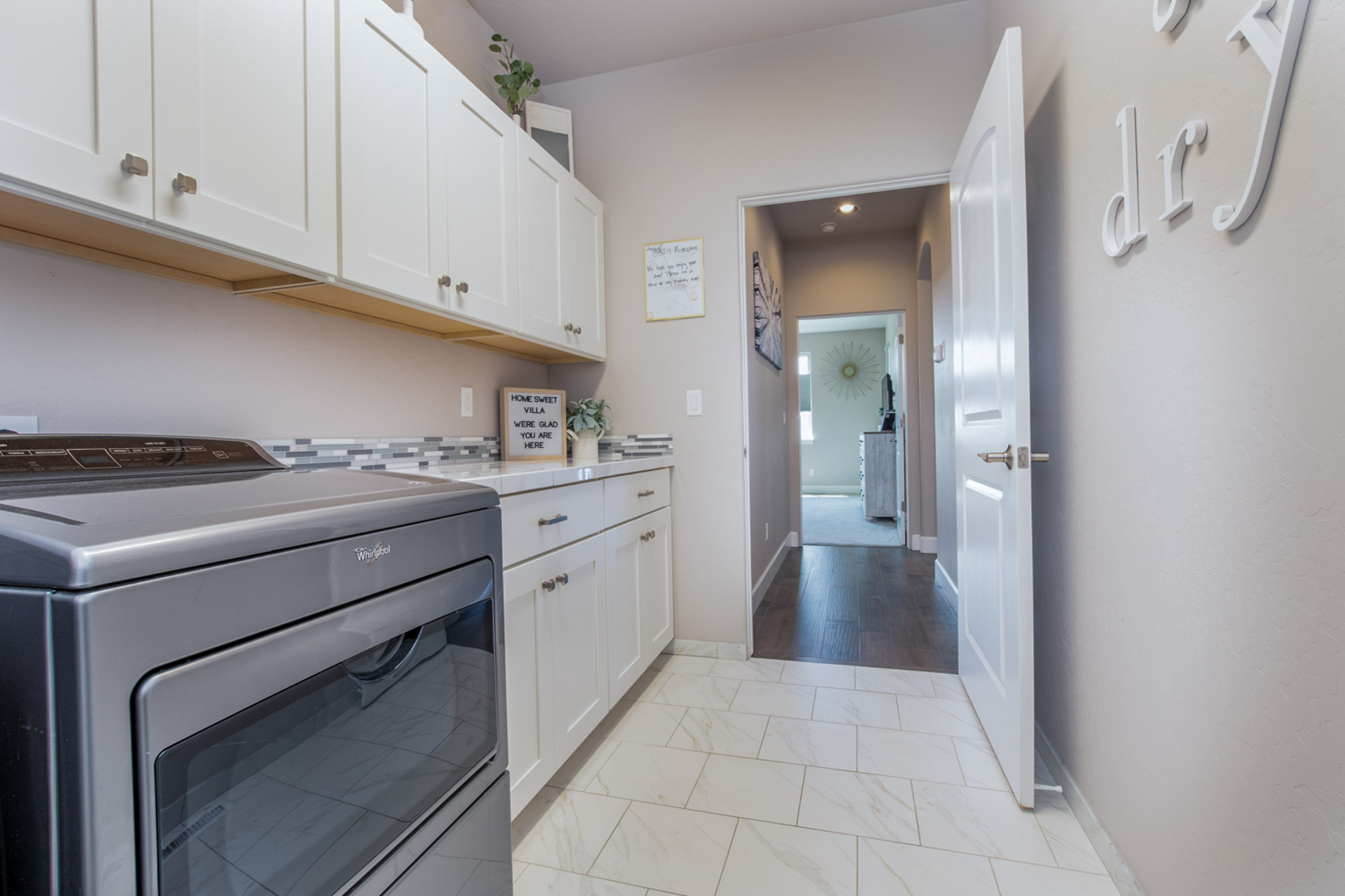
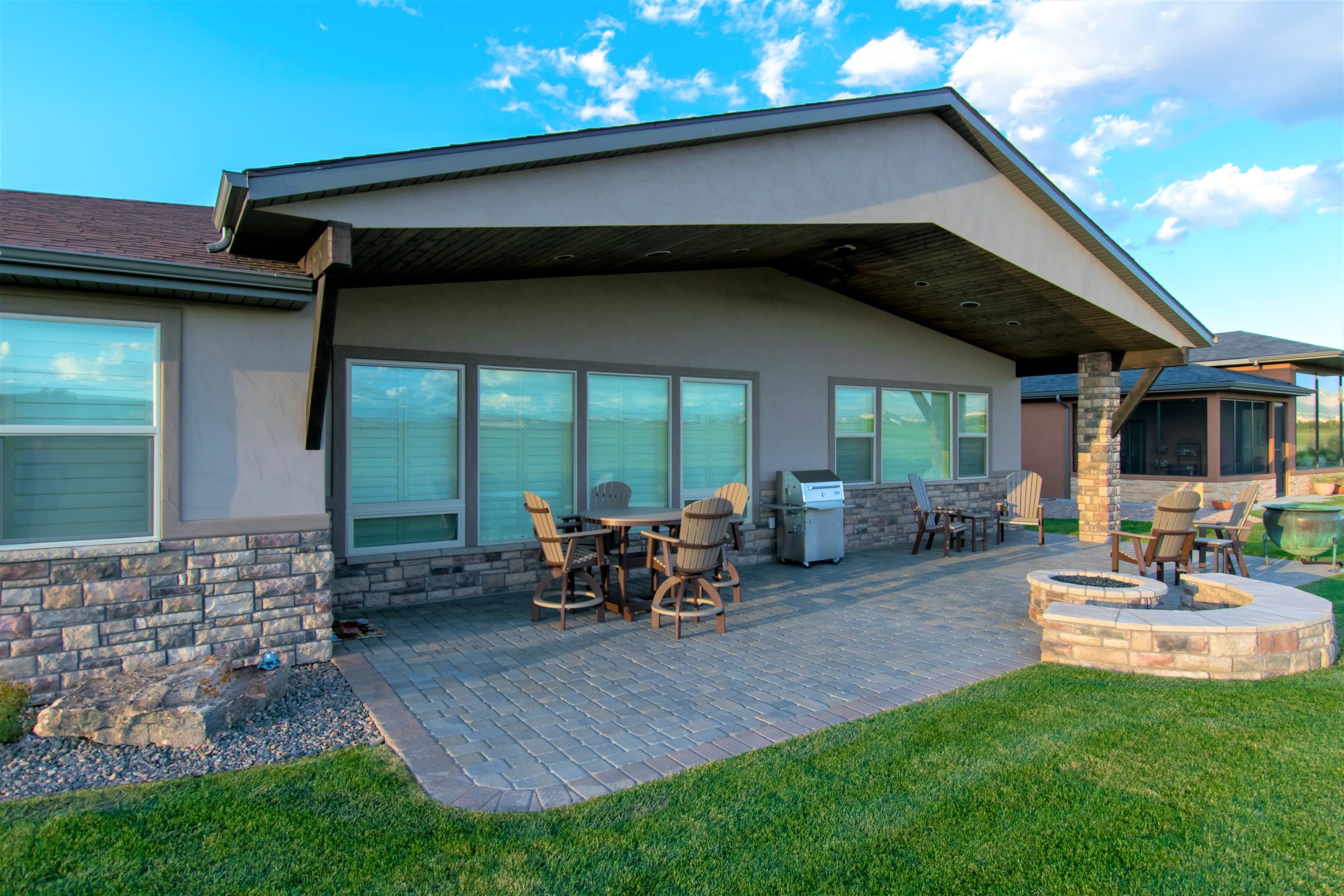
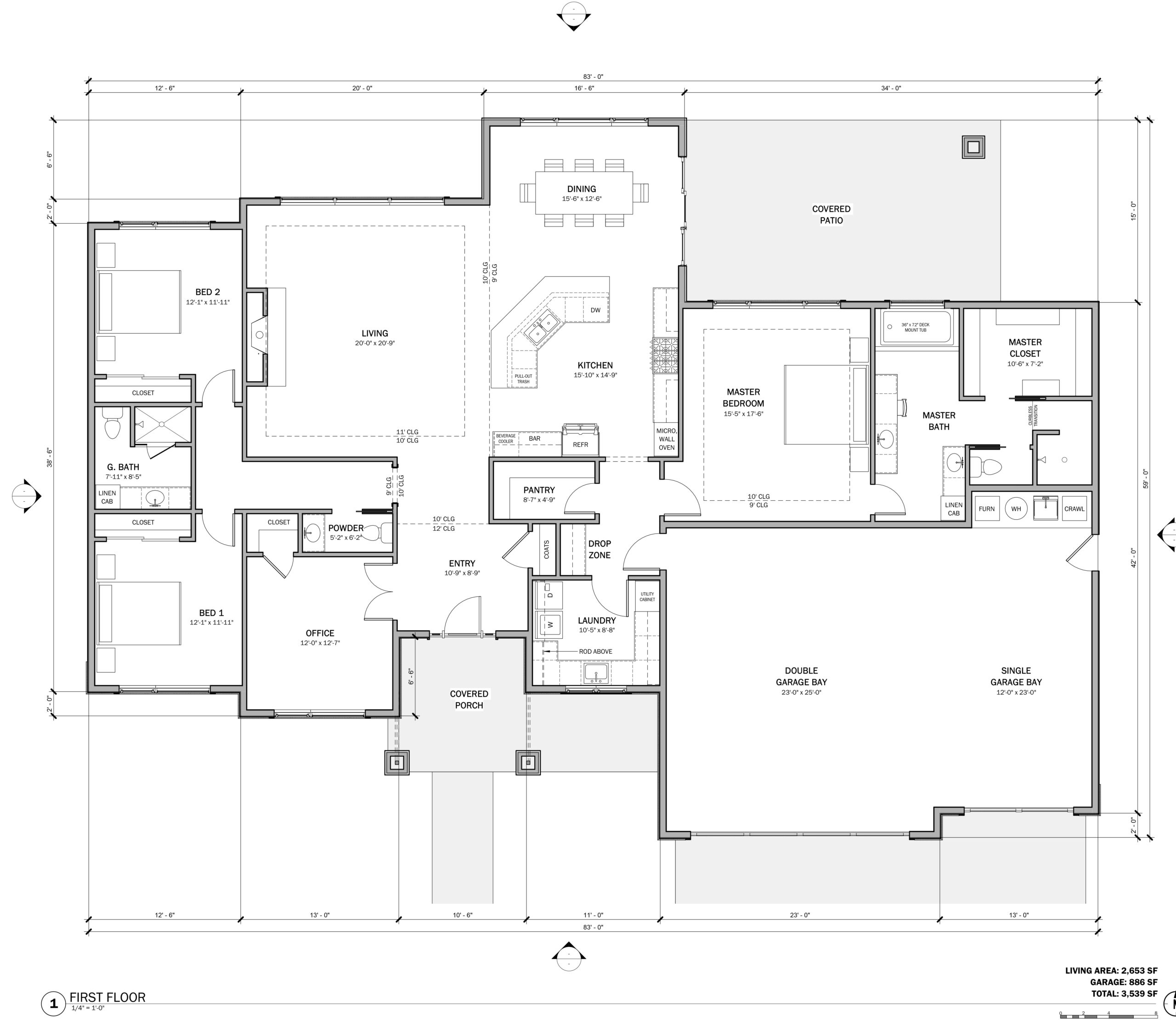
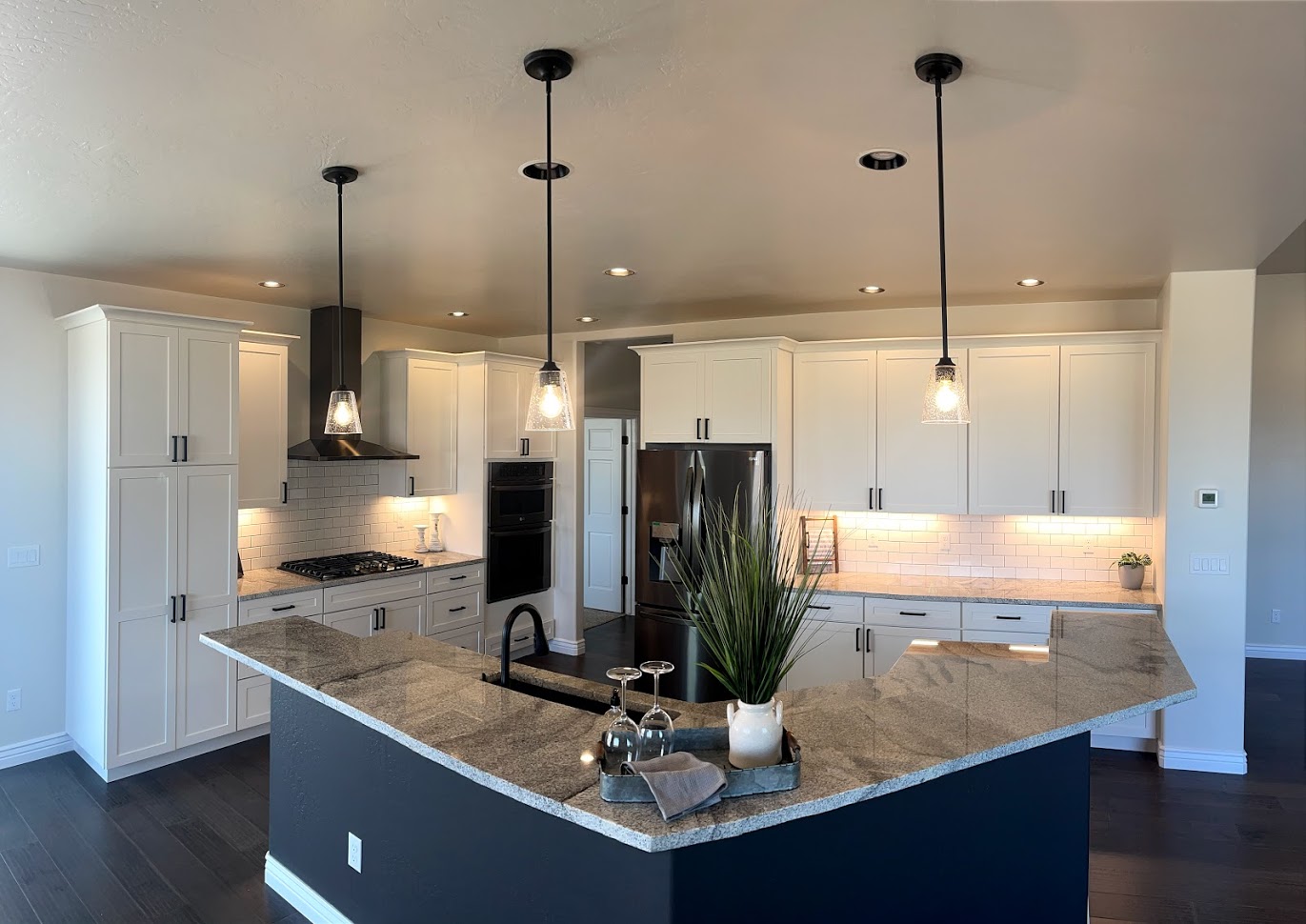
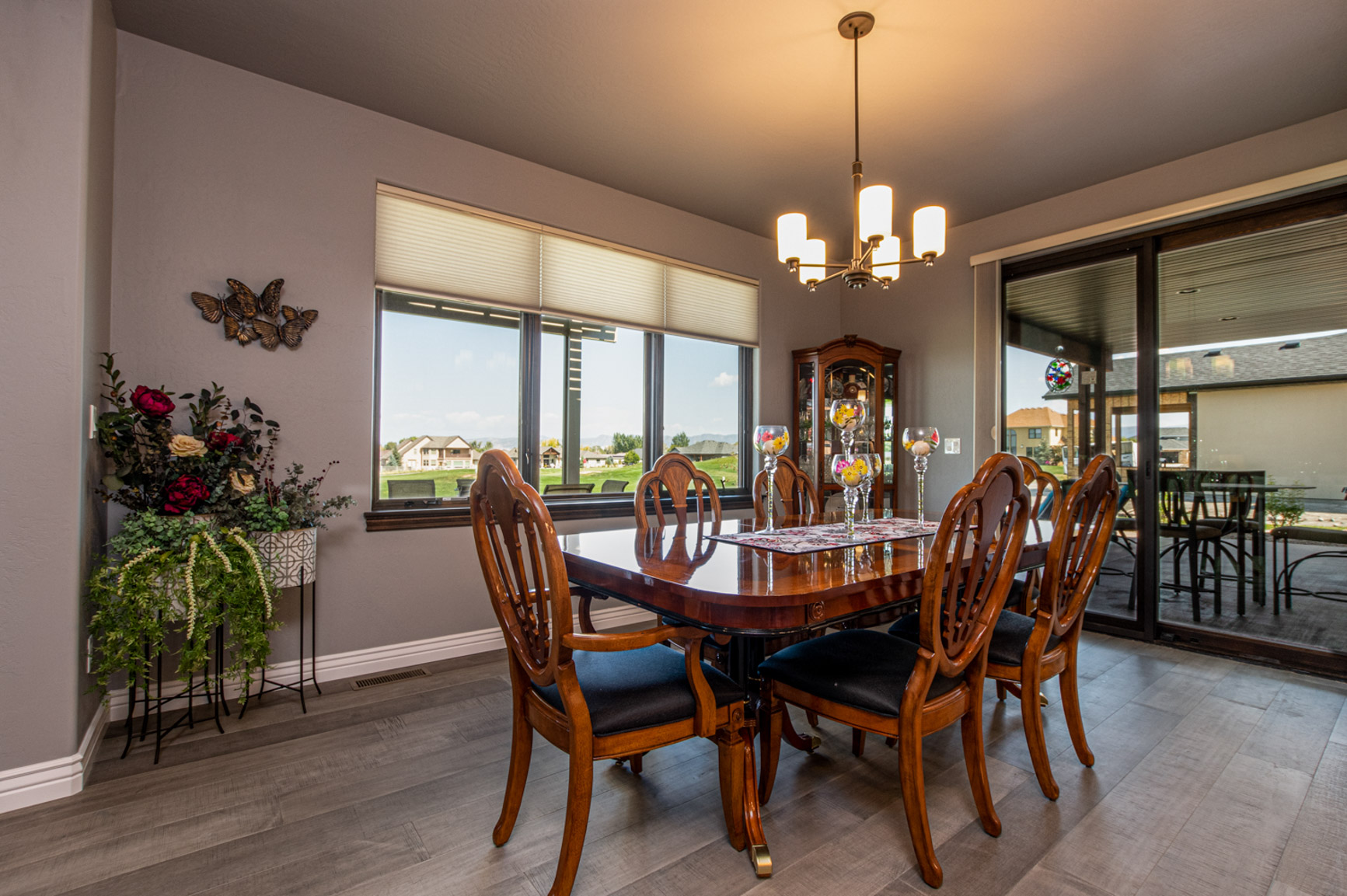
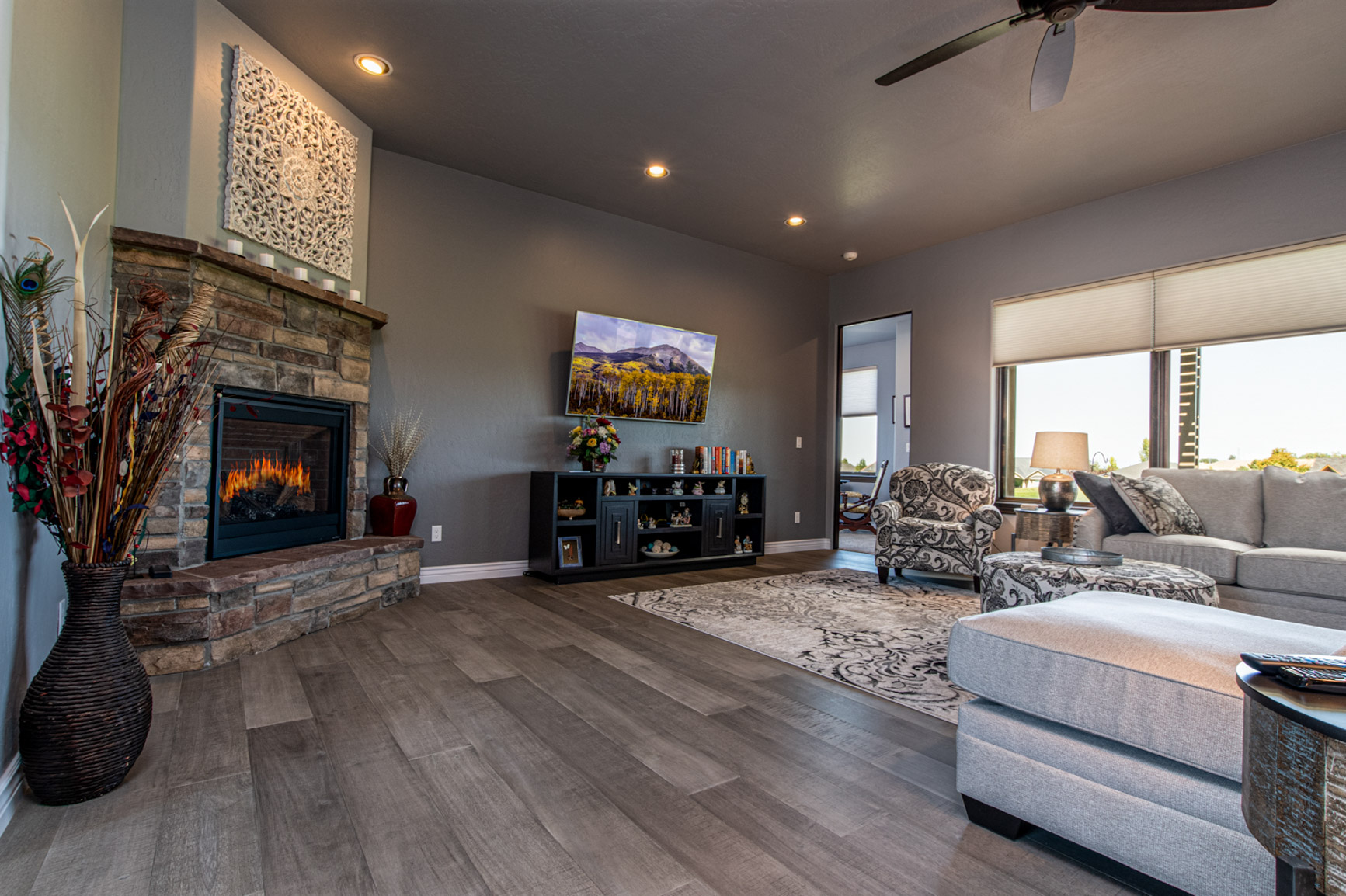
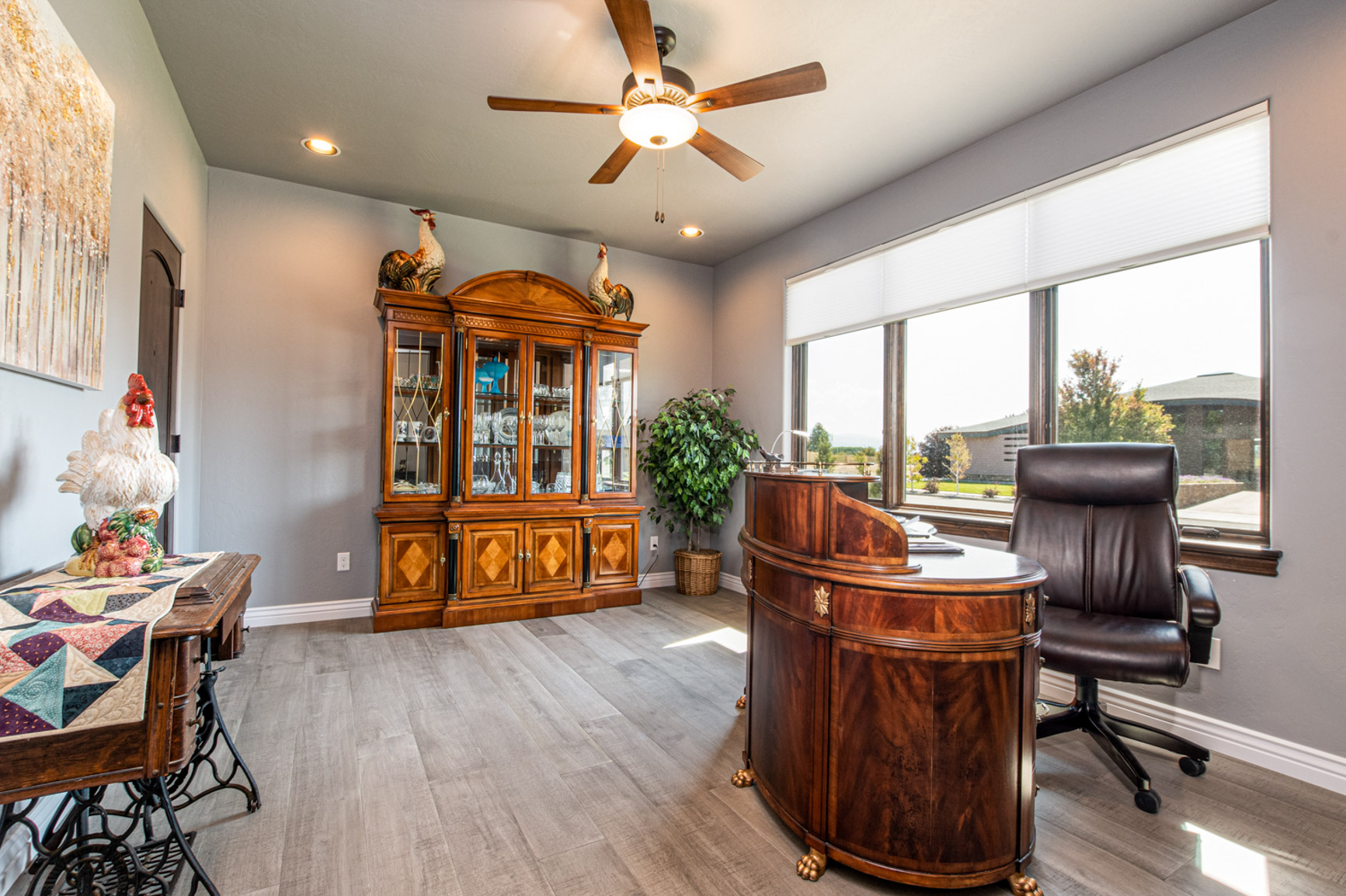
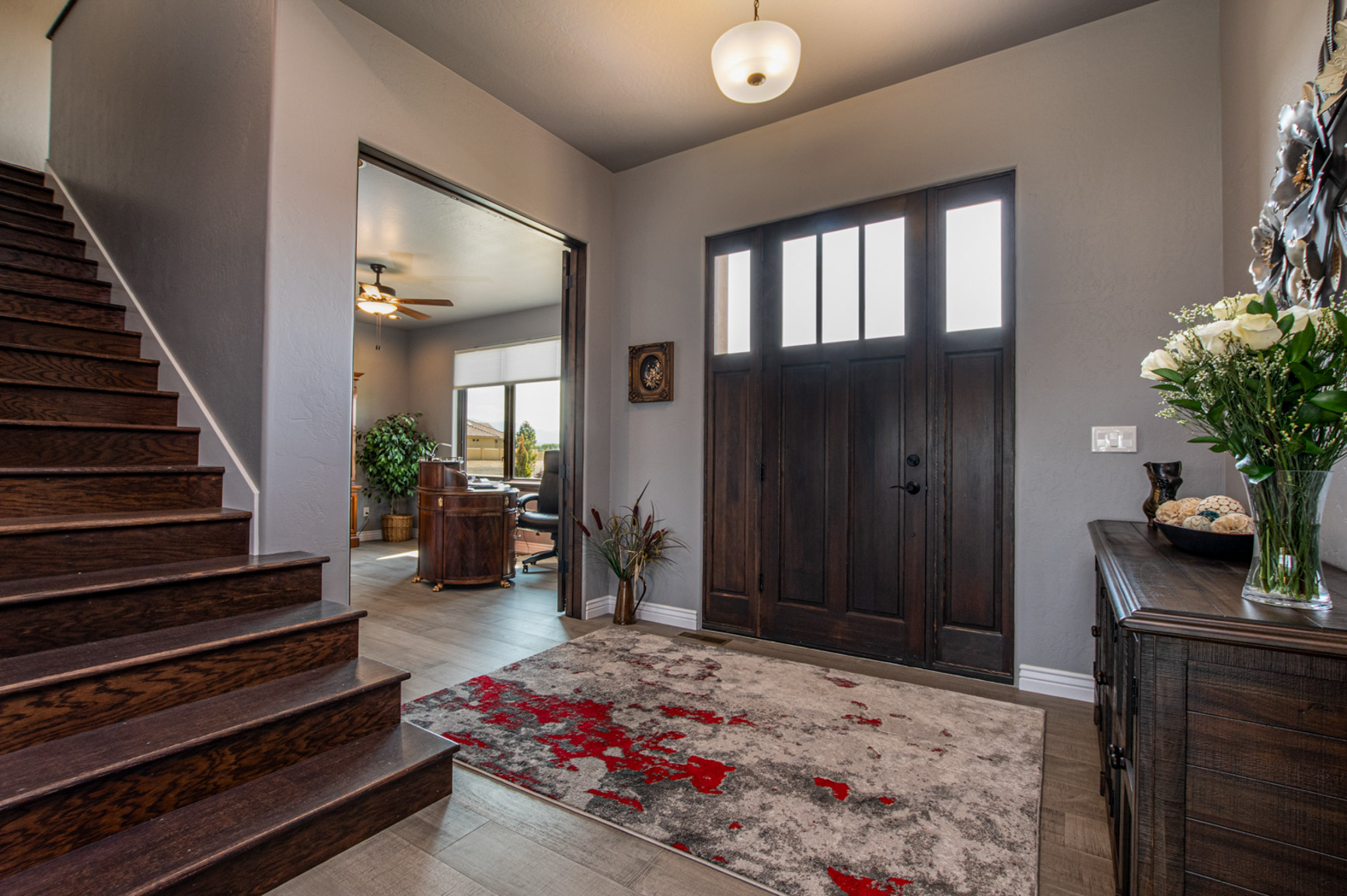
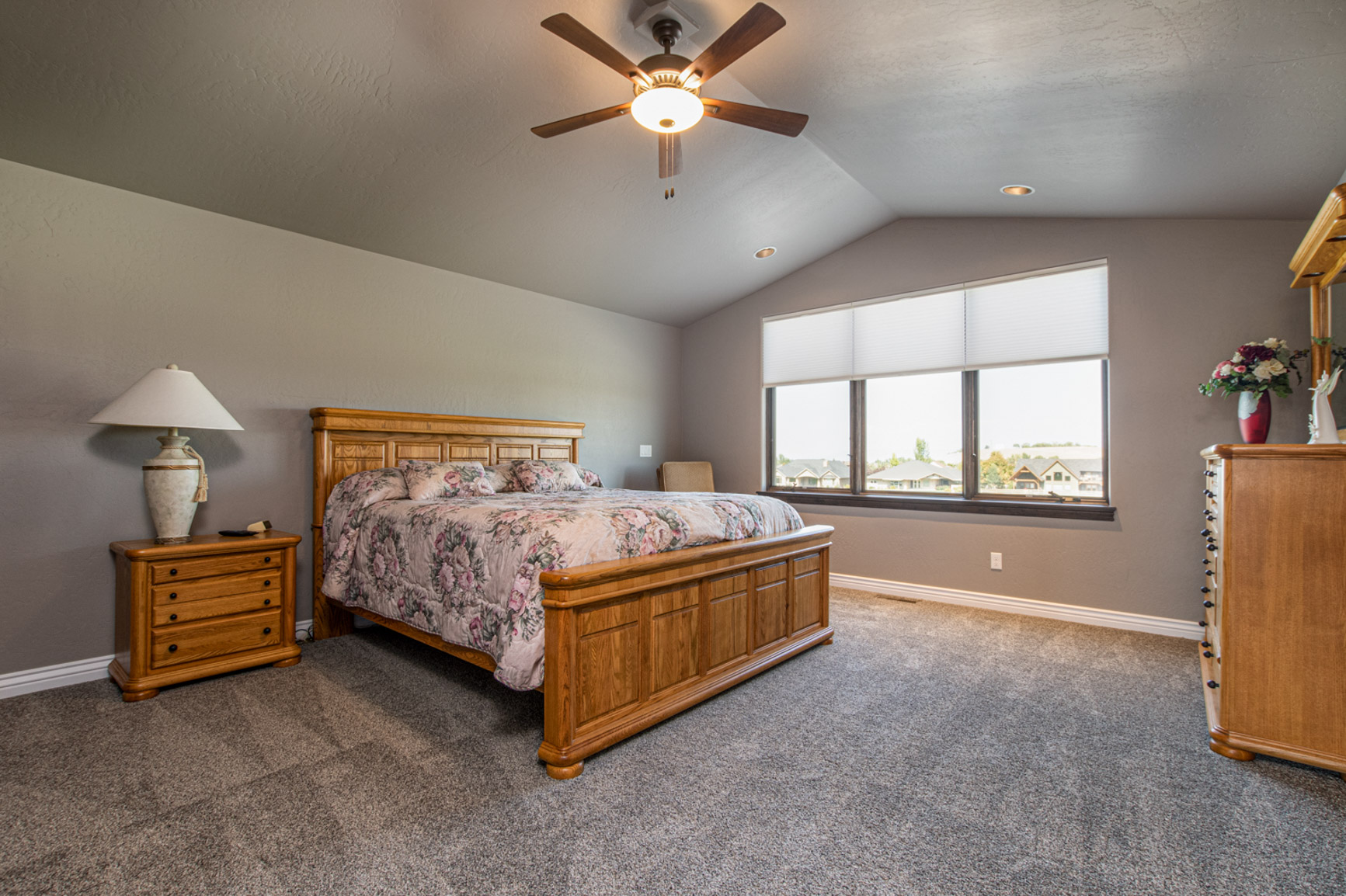
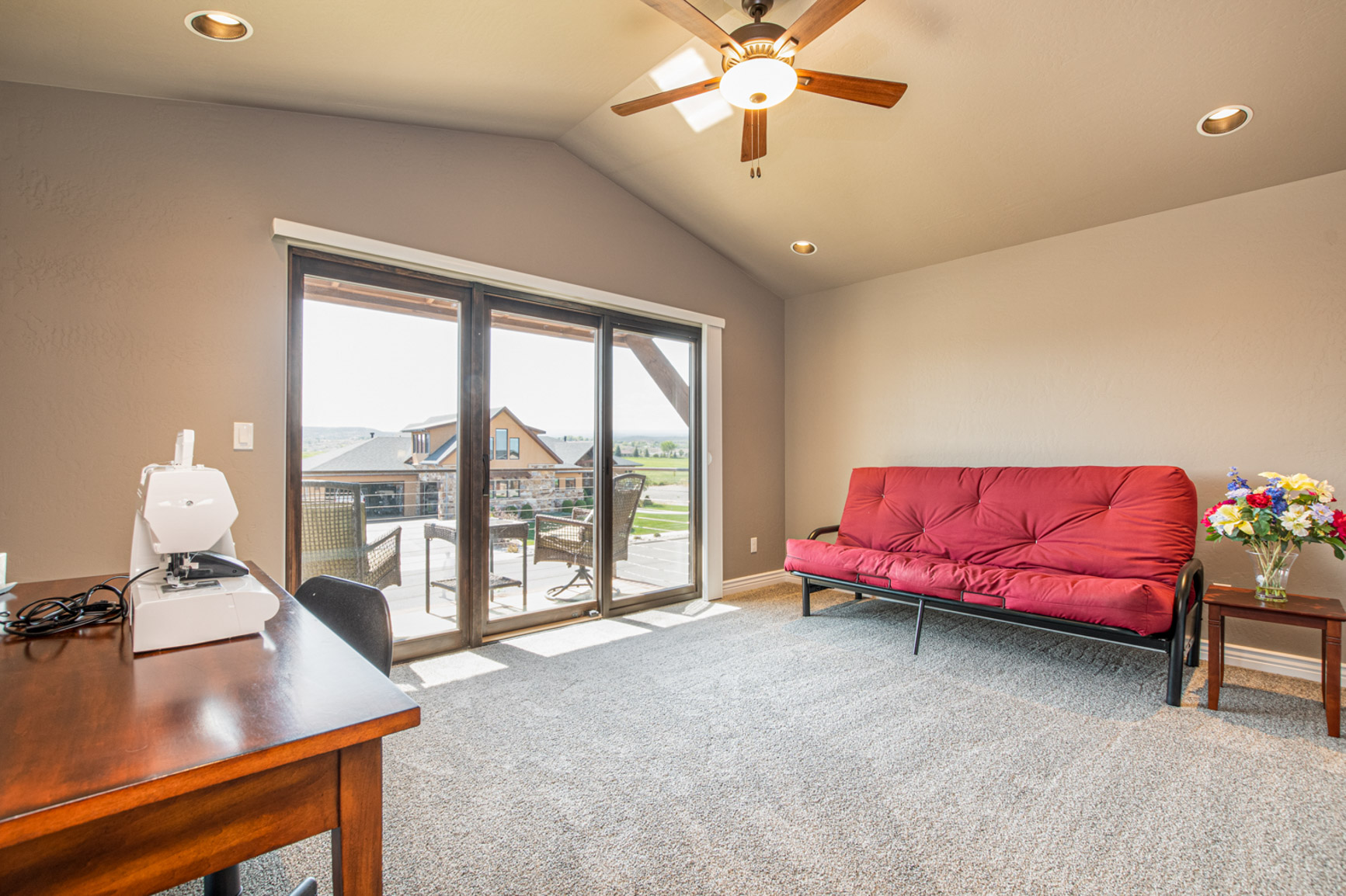
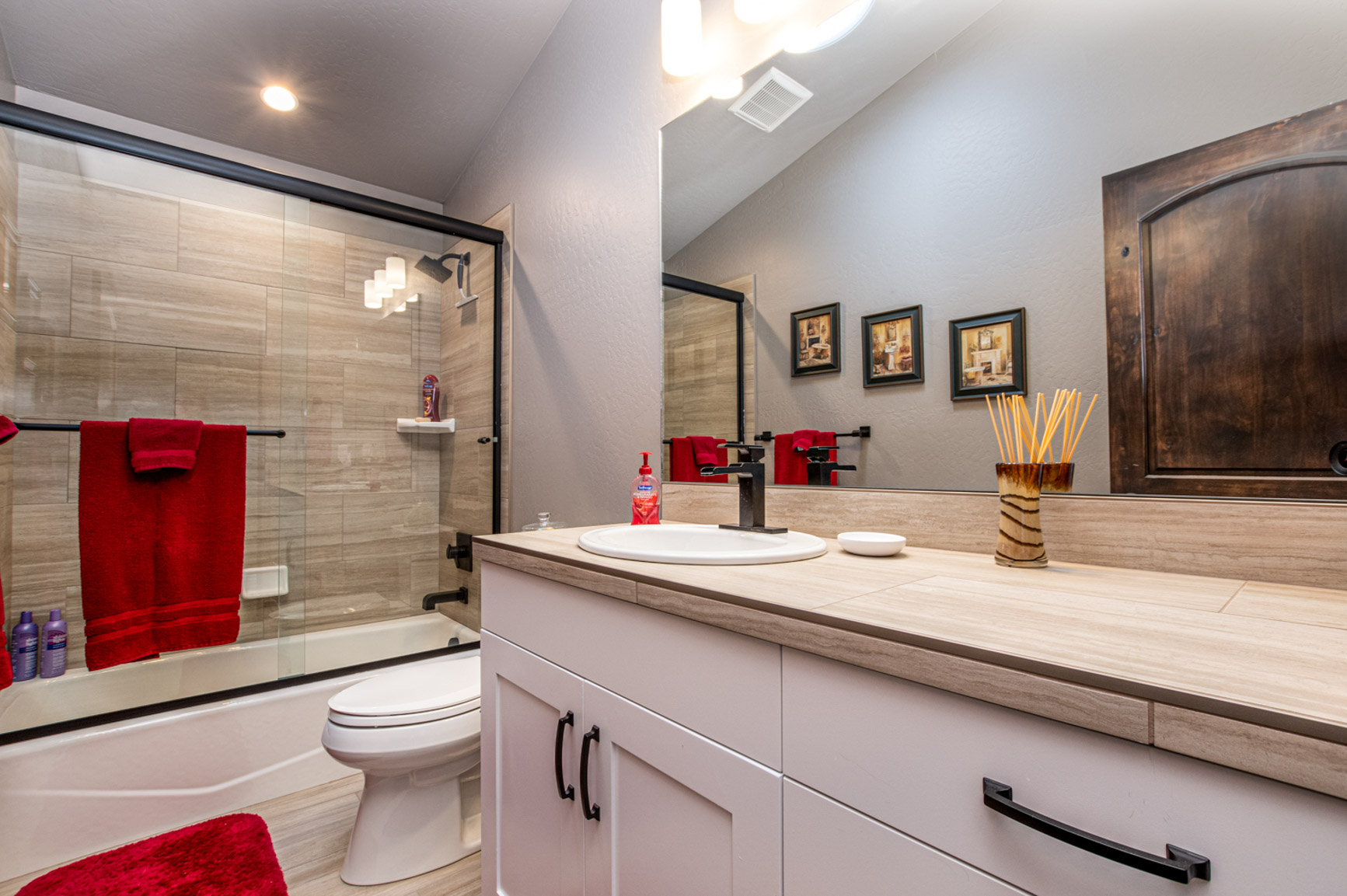
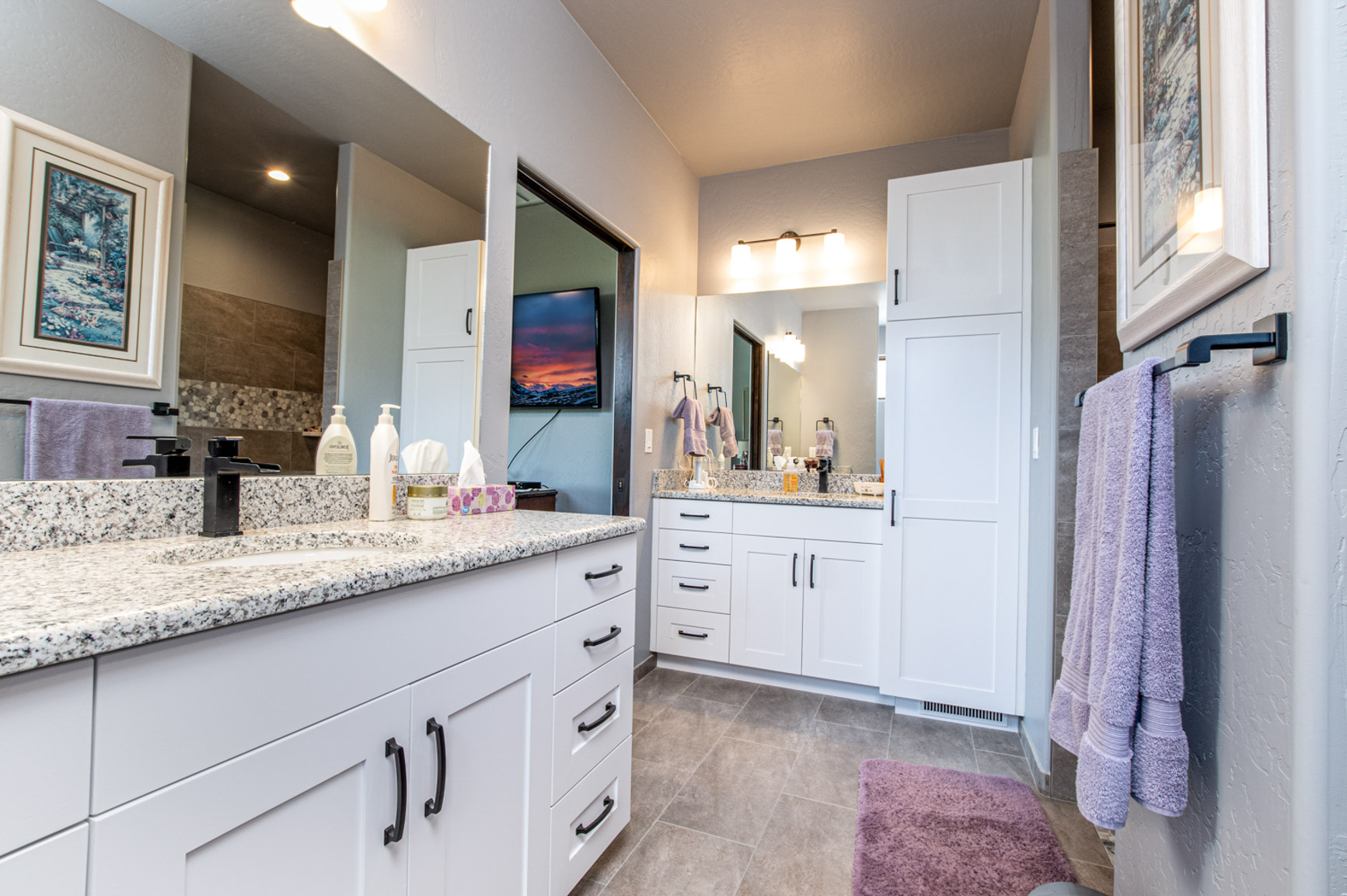
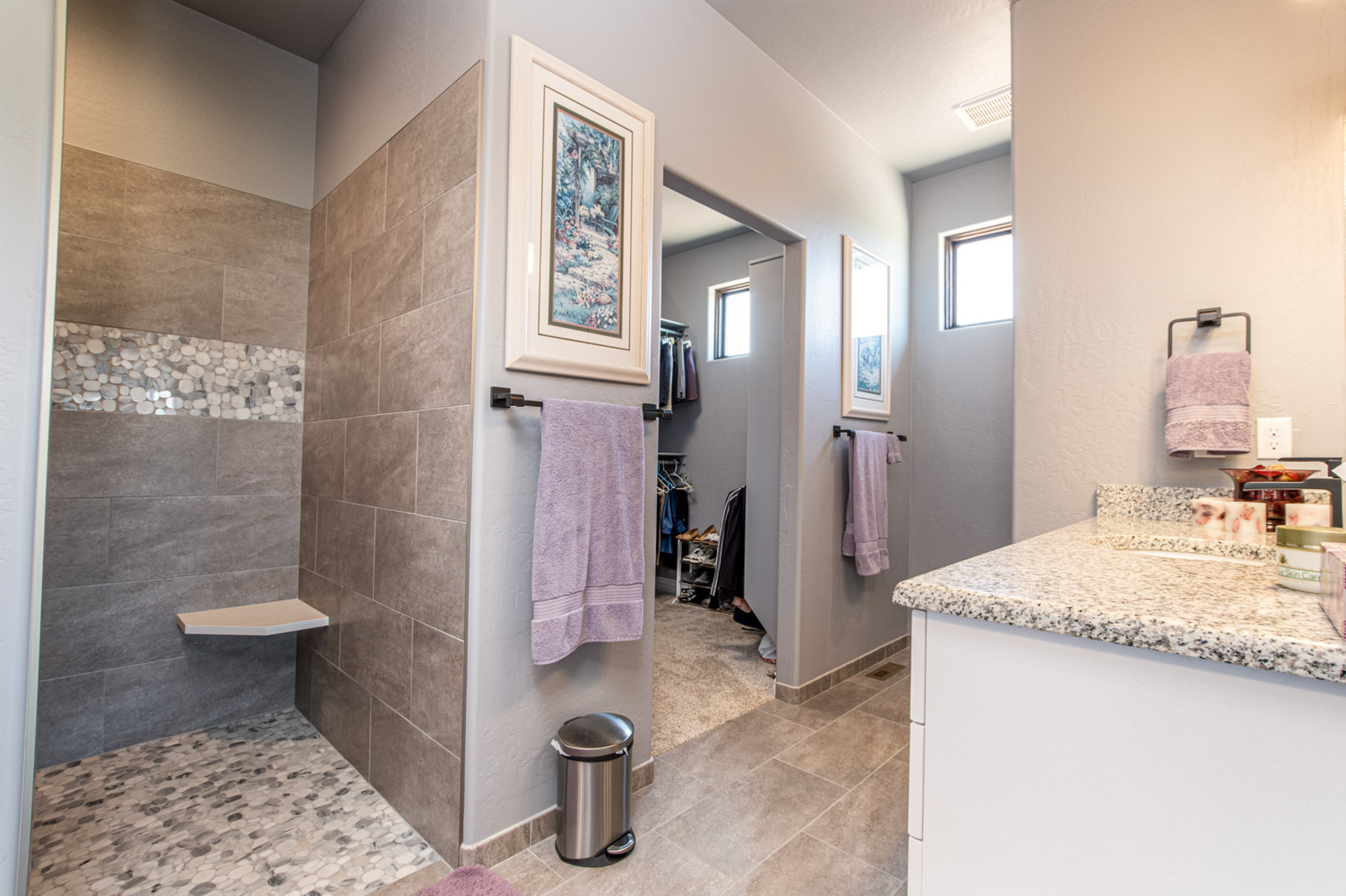
Spruce Point Patio Homes part of Homes at Cobble Creek in Montrose, Colorado, not only offer designed floor plans, but are also the perfect fit for a simplified lifestyle. They are available in Cobble Creek Golf Community ideal for retirement living whether you golf or not. Three models are available with one of three exterior elevations and four garage options. There are a variety of current, professionally-designed interior finish packages from which to choose. The “Lock and Leave” feature that will take care of lawn maintenance and snow removal making it a great home for traveling or as a second home. Enjoy an active living lifestyle now with the ability to age in place for the future.
These active living retirement homes offer not only premium living and conveniences but also a beautiful Colorado mountain setting. Our carefully planned neighborhood with resort-style amenities offers a variety of recreational activities, in addition to an 18-hole golf course. There are pickleball and tennis courts, and walking trails in addition to nearby fishing, hiking and skiing. Come visit us today and learn more about the exciting active-living lifestyle options available at Homes at Cobble Creek. Contact Madison about Spruce Point Patio Homes at 970-275-0662 or complete the Contact Us form.